Healing &Mobility
From Injury to Independence
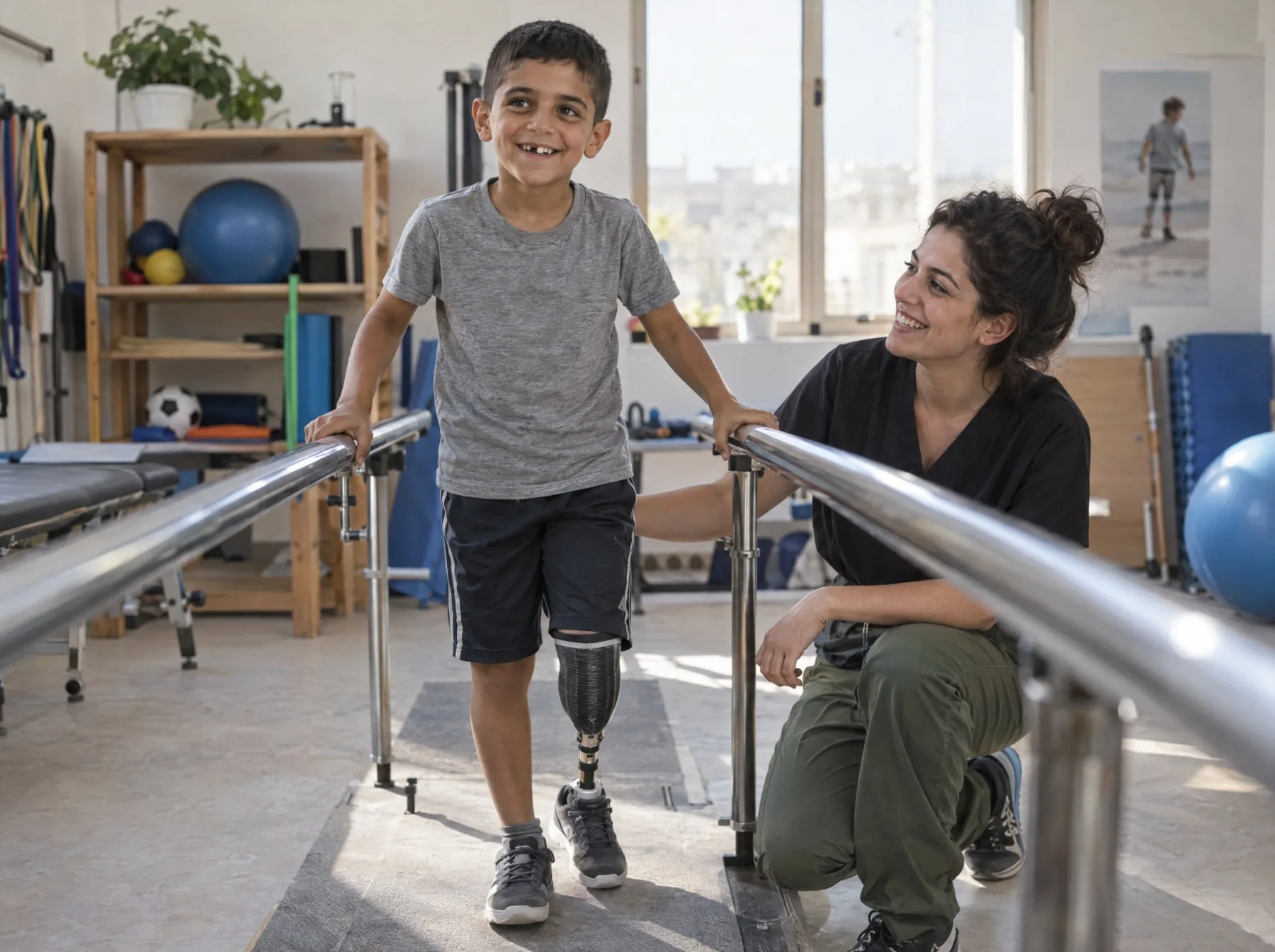
Armed conflict leaves lasting physical and psychological consequences. For people who sustain traumatic injuries, including limb loss, appropriate medical care is often only the first step in a long process of recovery.
Beyond treating
an injury.
Children of Heaven supports children and adults affected by conflict with access to prosthetic care, rehabilitation, mental health services and other resources that help them regain mobility, adapt to life after injury and rebuild their independence.
Not simply a prosthetic limb. The whole road that follows.
Limb loss can have a profound and lasting impact on a person's health, mobility, education, employment and ability to participate in everyday life.
For children, the consequences can be particularly significant. Growth and development may require ongoing clinical assessment, rehabilitation and adjustments to assistive devices over time. For adults, an amputation may affect the ability to work, care for family or maintain financial independence.
We connect amputees with qualified providers for
- Prosthetic limbs and assistive devices
- Prosthetic fitting and follow-up care
- Physical and occupational rehabilitation
- Pain management and clinical support
- Mobility and accessibility services
- Medical referrals and continuing care
Where resources are available, we may also provide financial assistance toward treatment, rehabilitation, prosthetic care, transportation and other essential services.
An essential part
of recovery.
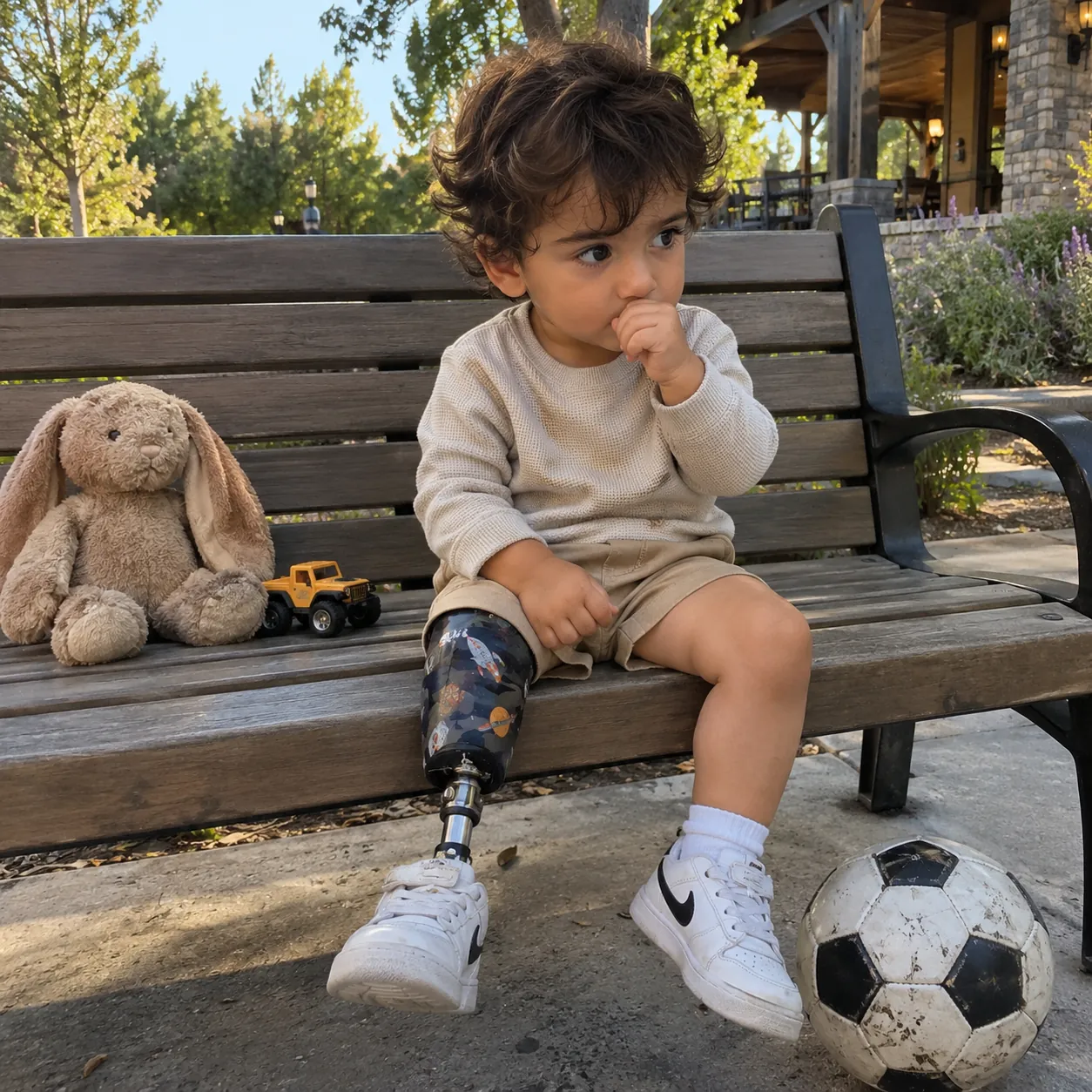
The effects of conflict do not end when physical wounds have healed.
People who have experienced war, displacement, serious injury or the loss of a limb may face trauma, grief, anxiety, depression, sleep disorders, chronic pain and difficulty adjusting to significant changes in their lives.
For amputees, psychological support can be an important part of rehabilitation. Adjusting to a changed body, learning to use a prosthesis, managing pain and returning to daily activities can require sustained emotional support as well as physical therapy.
Physical rehabilitation and psychological care should not be treated as separate needs. Recovery is more effective when the physical and emotional consequences of injury are addressed together, an integrated approach used by humanitarian medical organizations working with people injured in conflict.
Trauma-informed care
Mental health care grounded in an understanding of trauma.
Psychological counseling
Qualified professionals for individuals and families.
Grief & bereavement
Support through loss and the changes that follow.
Psychosocial services
Community-rooted support that restores connection.
Family & caregiver support
Help for the people who care for those recovering.
Peer & community support
Connection with others who understand the journey.
Support that continues long after the emergency.
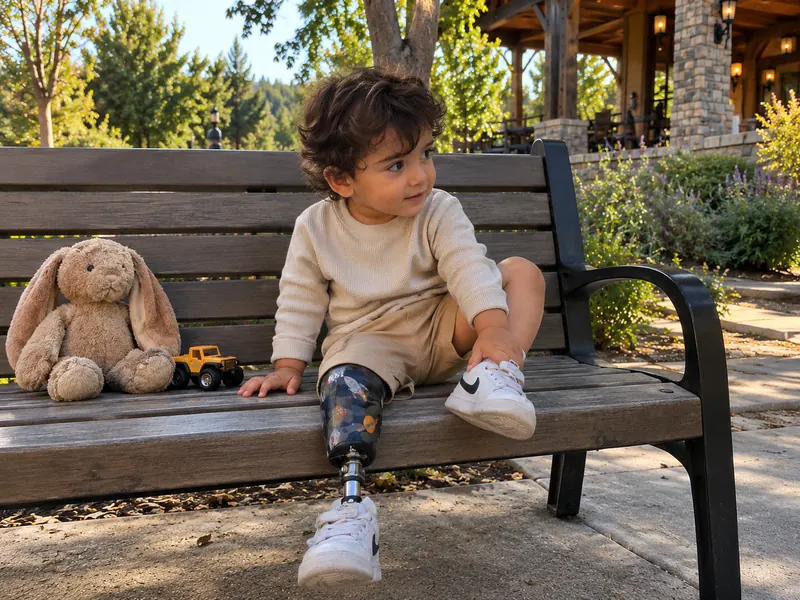
Children affected by conflict face particular challenges following serious injury or disability. Interruptions to healthcare, rehabilitation, education and family support can have consequences long after an emergency has passed. Our work is designed to support recovery beyond the initial medical intervention.
Healthcare
Medical treatment, specialist referrals and continuing care.
Prosthetic & Rehabilitation
Assistive devices, prosthetic care, physical therapy and occupational rehabilitation.
Mental Health
Professional psychological and psychosocial support for children and their families.
Education
Support for returning to school and maintaining access to learning.
Family Support
Resources that help caregivers navigate the practical and financial consequences of serious injury.
Long-Term Independence
Education, vocational opportunity, accessibility and services that support participation and independence.
Recovery is rarely a
single intervention.
It may begin with emergency medical treatment and continue through surgery, rehabilitation, prosthetic fitting, psychological care, education and reintegration into family and community life. We help individuals navigate this continuum and connect with appropriate services at each stage.
Medical Care
Treatment and specialist support following injury.
Rehabilitation
Physical and occupational therapy to restore function and mobility.
Prosthetics
Access to appropriate prosthetic and assistive technology.
Mental Health
Support for trauma, grief, adjustment and recovery.
Reintegration
Returning to school, work, family and community life.
Independence
Participating fully in community life and determining one's own future.
Recovery is not measured only by whether a wound has healed.
For someone who has lost a limb, recovery may mean learning to walk again. Returning to school. Returning to work. Caring for a family. Managing trauma. Rebuilding confidence. Or simply having the opportunity to live independently again.
We work with qualified healthcare professionals, rehabilitation providers, mental health professionals, humanitarian organizations and community partners to help address these needs. Where appropriate and funding permits, Children of Heaven may provide or support financial assistance for eligible medical, rehabilitation, prosthetic, transportation and related services.
Our role is to help close the gaps that can prevent people from receiving the care and support they need.
Recovery Does Not End With the Injury.
We are committed to supporting the path forward, from treatment and physical rehabilitation to mental health, mobility, reintegration and independence.